Children’s apparel for wholesale and custom sourcingbusiness@beniuport.com
Children's clothing factory in China

From fabric choices to finished children's clothing.

A useful production plan connects the style, sample, fabric, size range and packing requirements. At Koi Garment, the conversation starts with the baby and girls clothing you want to source and the details your market needs.

Explore the cutting, sewing, knitting and packing stages below, then share a reference style or custom brief to discuss the next step for your order.

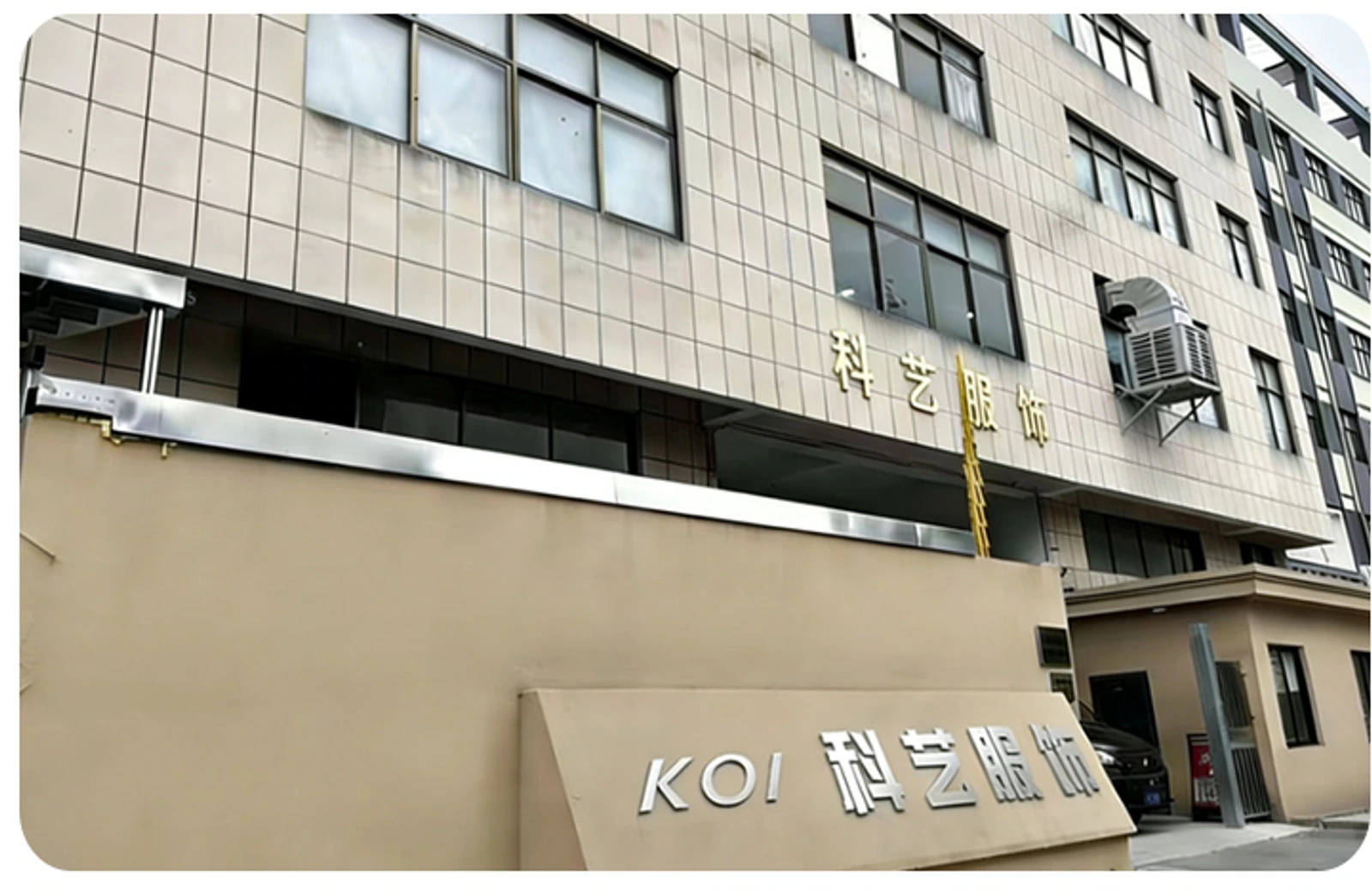
Exterior of the Koi Garment company building in Zhejiang, China
Koi Garment in Zhejiang, China. Explore the garment production stages below.
A connected production workflow

Give each stage a clear reference.

The product brief links your buying decisions to the production discussion. A dress, pajama set, romper or knitted garment has different material and construction needs, so the workflow is organized around the selected style.

  1. Product specification

    Identify the style, age group, material direction, colours and size range. Add the expected quantity, market and delivery window.

  2. Sample review

    Review the silhouette, measurements, fabric feel, print placement and trims. Record revisions against the sample before confirming the order specification.

  3. Production details

    Discuss the cutting, sewing or knitting route for the garment, together with finishing requirements and the agreed size and colour breakdown.

  4. Packing and handover

    Confirm labels, hangtags, folding, packing units and carton identification. Coordinate the handover requirements for your destination and shipment plan.

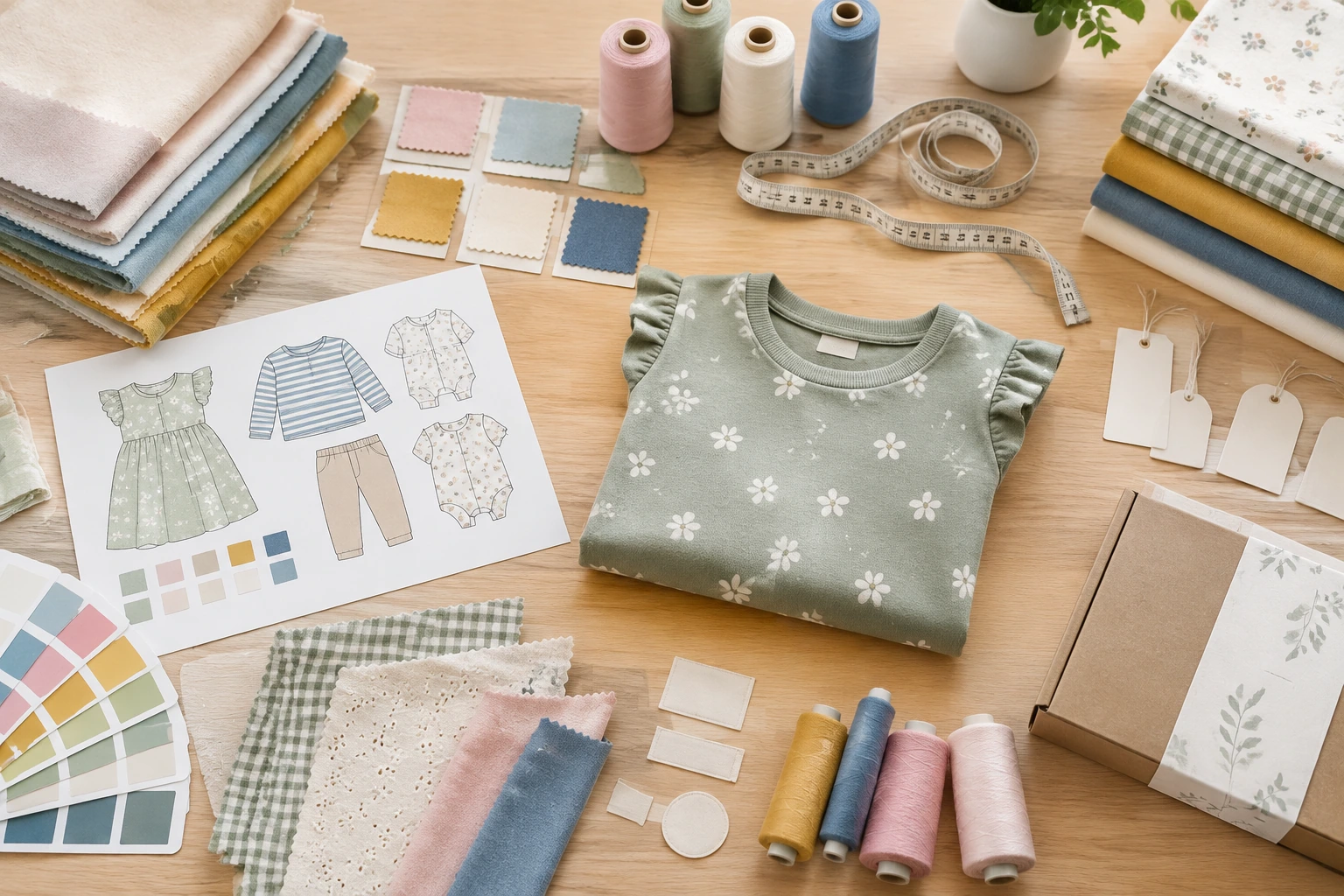
Garment development concept showing fabric swatches, thread, a sample garment and a measuring tape
A product development brief connects material, colour, measurements and finishing details.
Before bulk production

Make the sample useful for the order you intend to place.

The sample discussion should cover how the garment looks and how it is constructed. For baby and girls clothing, bring the intended age range, measurements, fabric composition or feel, and preferred fastening details into the brief.

For a printed dress or pajama set, identify the artwork, colour direction, pattern scale and placement. For a romper or footie, explain the opening, sleeve and leg shape, and any trim requirements. The more clearly these choices are recorded, the more focused the sample feedback can be.

Send a technical pack if you have one. If you are starting with a reference image, mark the features you want to keep and the changes you want to discuss.

Prepare an OEM / ODM sample brief
Garment construction

From the cutting table to the sewing line.

Fabric selection, pattern pieces and construction details need to work together. Use the approved style and measurements to define what should be reviewed as the garment takes shape.

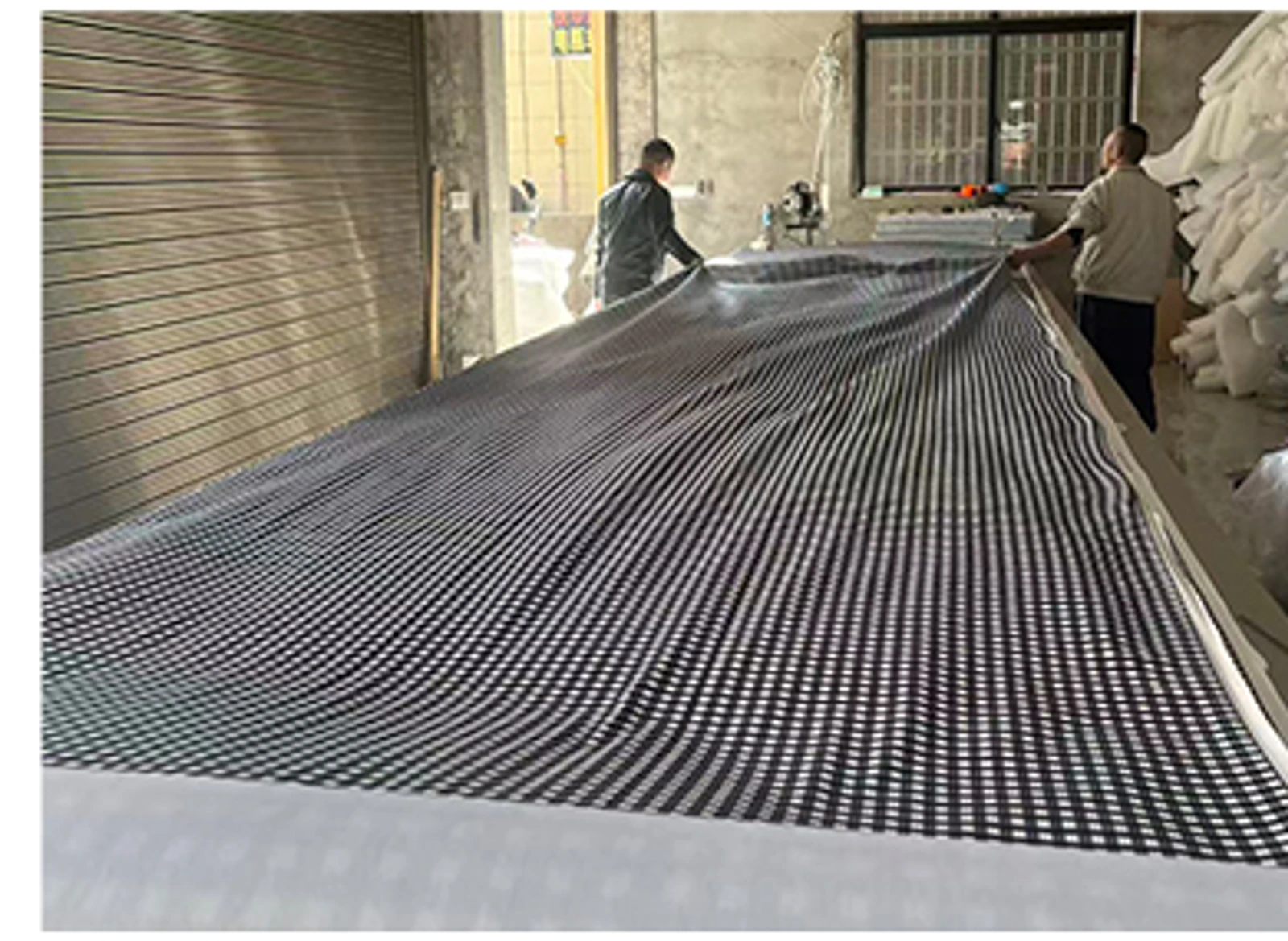
Fabric spread across a cutting table in the garment workshop

Fabric preparation and cutting

The cutting discussion connects the pattern, fabric direction and size breakdown. Printed materials may also need attention to motif placement and matching. Include the selected fabric and any placement requirements in the product specification.

For a range with several sizes or colours, keep the order breakdown clear so the garment pieces and later packing instructions refer to the same assortment.
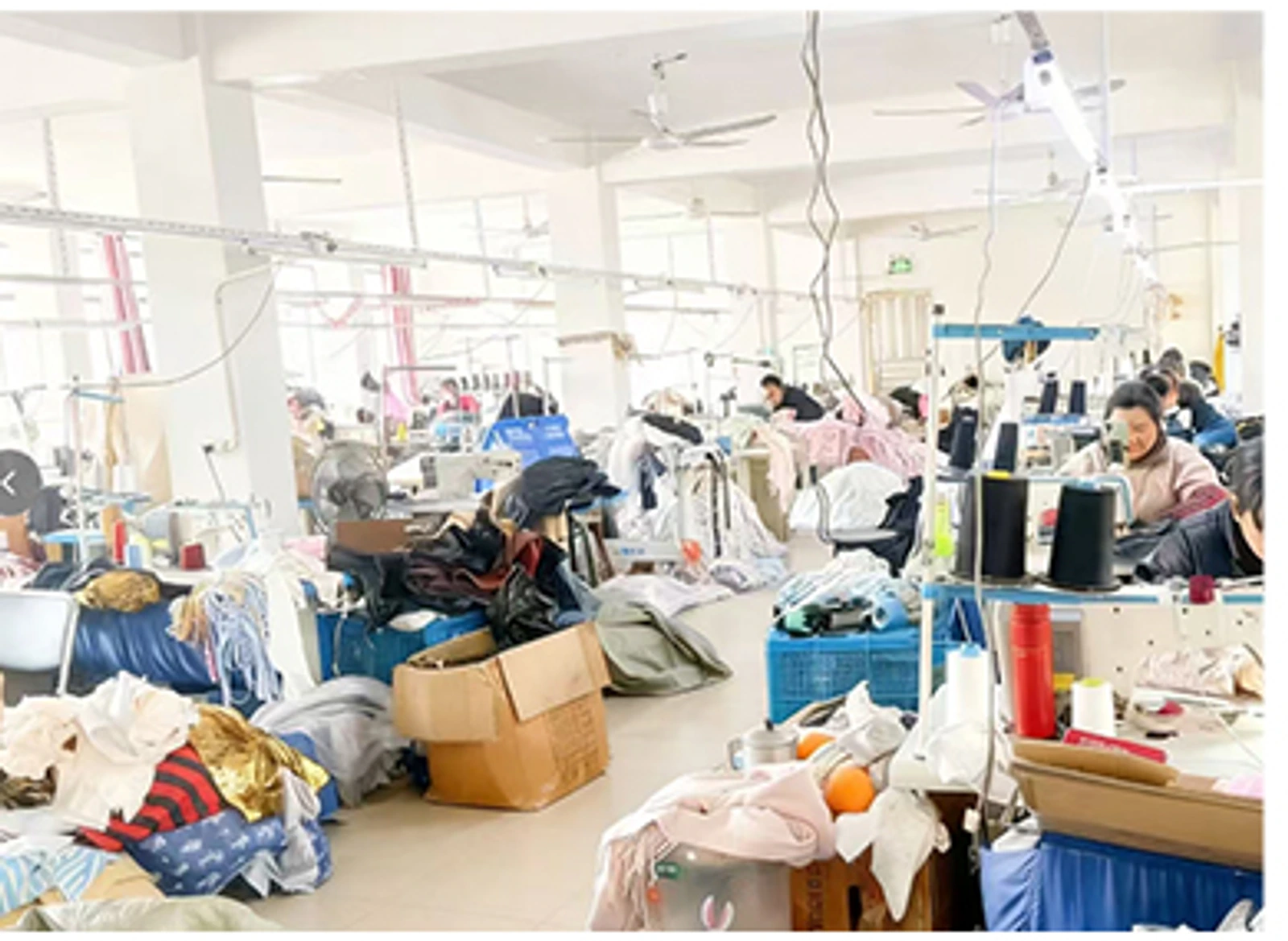
Sewing stations and garment pieces in the clothing workshop

Sewing and assembly

Seams, hems, elastic, pockets, sleeves and trims determine the construction of the finished garment. A twirl dress, pajama set and baby one-piece each need a different set of details in the brief.

Use sample feedback to specify the finishing that matters to your range, from the neckline and cuff shape to button, snap, zip or ruffle details.

Knitted children's products

Build texture, shape and colour into the brief.

Children's sweaters, cardigans, knitted layers and baby blankets begin with a different set of material choices. Discuss yarn direction, stitch appearance, garment shape and seasonal weight alongside the intended age range.

Share close-up references for the texture, rib, cuff or edge finish you want to develop. The selected construction and sample review should connect the visual direction to the garment measurements and finishing requirements.

Browse clothing reference styles
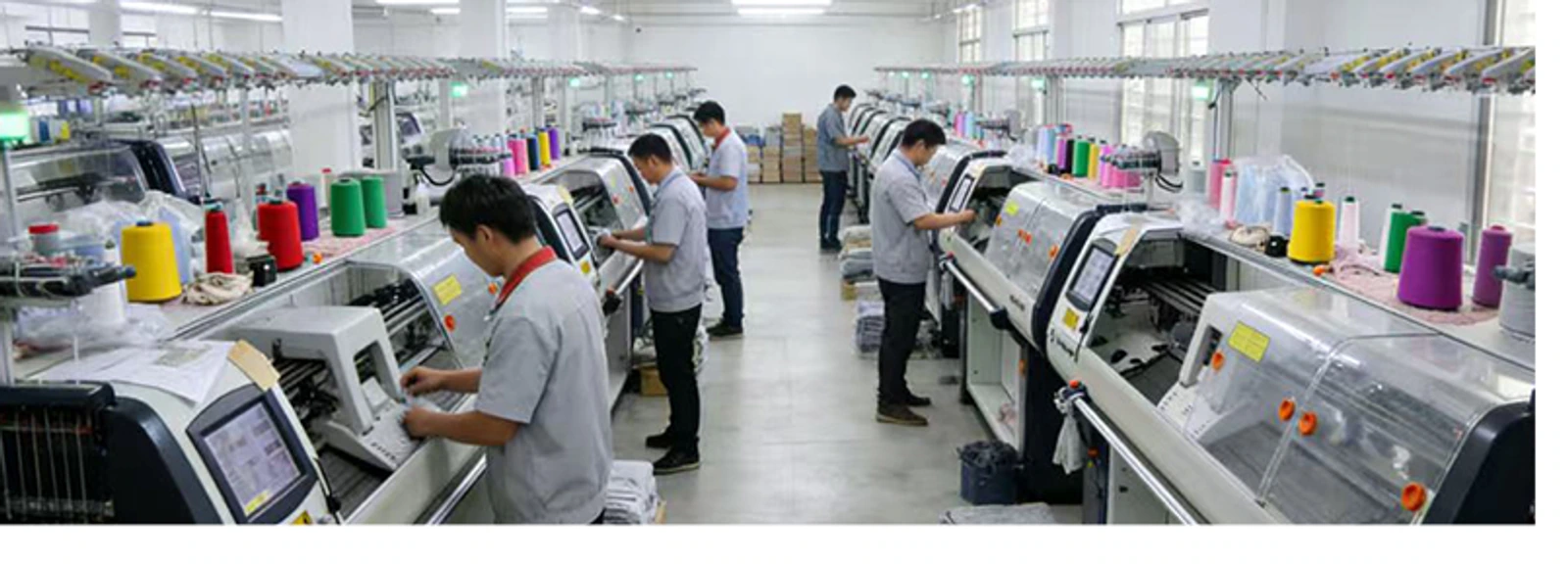
Knitting production line with machines, yarn cones and operators
Knitted production involves yarn, stitch and shape decisions that should be included in the sample discussion.
The finished order

Review the garment and the way it will arrive.

Define the checks that matter for your style before production moves forward. Useful review points include measurements, seam appearance, print placement, colour references, trims and the correspondence between the garment and its labels.

Tell us about destination-market requirements and any testing, inspection or documentation you need to discuss. These details belong in the order brief alongside the product specification.

Packing is part of the same conversation: folded presentation, individual bags, hangtags, size identification, barcodes, assortment ratios and carton marks should match the way your team receives and sells the order.

Plan labels, packaging and export handover
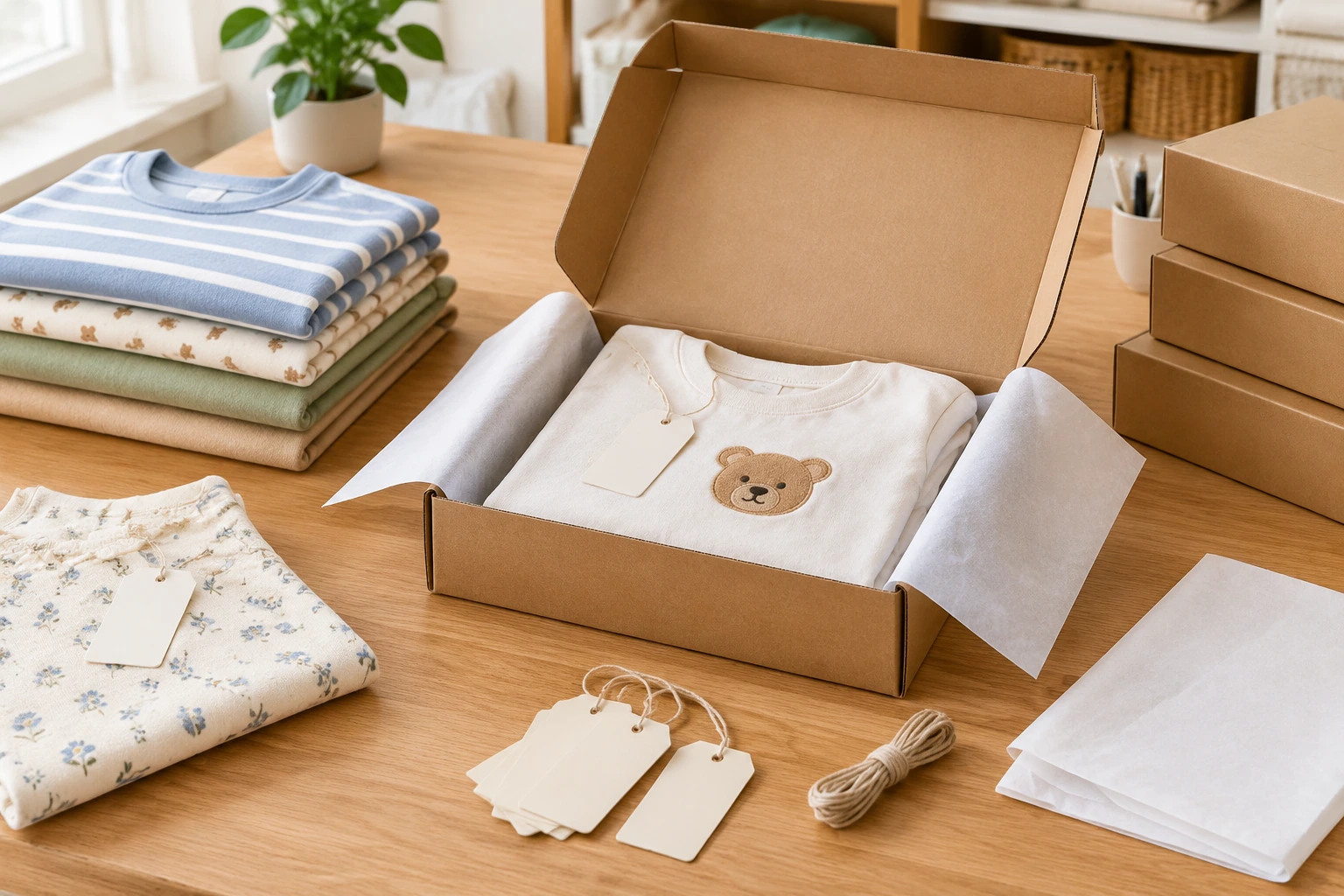
Packaging concept with folded baby clothing, tissue paper, blank hangtags and cartons
Discuss garment presentation, packing units, carton identification and destination details together.

Planning a children's clothing order.

Which products can I discuss with Koi Garment?

Start with baby and girls dresses, pajamas and sleepwear, rompers, footies, knitted apparel or related children's products. Send a catalogue reference or your own product direction so the conversation can focus on the relevant materials and construction.

What information helps you discuss price and timing?

Include a style image or technical pack, fabric direction, quantity, size and colour breakdown, customization needs, destination market and requested delivery window. Sample work, material choices and packing requirements can affect the project schedule and quotation.

Can labels and packaging be included in the brief?

Yes. Include your label artwork, care information, hangtag design, barcode requirements and packing instructions. The packaging page covers details to prepare for garment identification and export handover.

How should I prepare for a repeat order?

Send the previous style reference and identify any changes to fabric, colour, size quantities, artwork or packing. Keeping the sample comments and final specification together gives the next discussion a clear starting point.

Bring us the style. Let's discuss the production details.

Send a production enquiry